
Investor Construction Loans in Durango, CO
An investor construction loan is short-term, business-purpose financing for a residential property built to sell or rent, with funds released in draws as construction progresses.
Loan availability and terms depend on borrower and property qualifications.
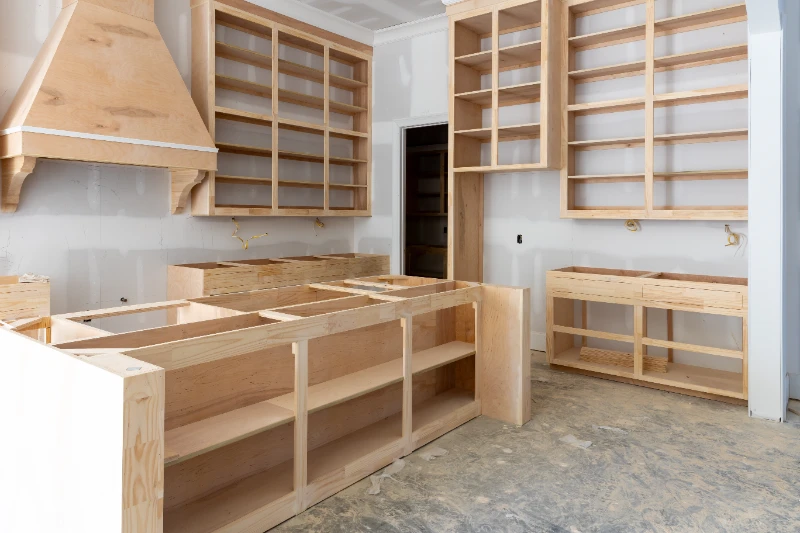
Start with the investment you want to build.
Finance the project from plans to completion.
Connect your investment strategy with the construction budget, funding process, and exit plan.
An investor construction loan is short-term, business-purpose financing that pays for a ground-up build on investment property in stages as the work is completed. For investors building spec homes or rentals in Durango, Mountain to Desert Mortgage LLC (NMLS #2323793) compares construction loan options from multiple lenders and helps match your project to a lender whose guidelines fit it. Availability depends on the lenders we work with and on the project itself.
Key Takeaways
- Business purpose These loans are for homes you plan to sell or rent, not live in.
- Paid in draws Money is released in stages after completed work is verified.
- Lender-set rules Each lender or investor writes its own guidelines; no government program sets them.
- Two files in one The lender reviews the project as closely as it reviews you.
- Exit comes first You repay by selling the finished home or refinancing it.
- Appetite varies Lenders differ on property types, locations and builder experience.
Investor Construction Loan FAQ
Most questions about an investor construction loan come down to timing, land, builders and what happens when a plan changes.
How long does it take to close a construction loan?
It depends mostly on how complete your project file is when you apply. The appraisal cannot start until plans, a budget and a builder contract are in hand.
Can I use land I already own?
Often, yes. Many lenders let equity in a lot you own count toward your share of the project; how much credit it receives is set by each lender.
Is a spec home loan different from a build-to-rent loan?
The construction phase works the same way; the difference is the exit. A spec build is underwritten around resale, while a build-to-rent project is usually planned around a refinance into long-term financing such as a DSCR loan once the home is leased.
Do I need to be a licensed builder to get a ground up construction loan?
No, but your general contractor will be reviewed. Most lenders want a licensed, insured builder with a track record, and only some allow an experienced investor to act as their own contractor.
What happens if the build runs over budget?
You cover the difference in most cases. Lenders rarely increase a construction loan mid-project, so a realistic contingency line and cash reserves are part of a sound plan from the start.
How Investor Construction Loans Work
An investor construction loan closes before vertical work begins and then funds the build in draws tied to inspections.
-
Share the project
Tell us your story: the lot, the plans, the builder, the budget and how you intend to exit.
-
Compare lenders
We look at lenders whose guidelines fit the property type, your experience and the scale of the build.
-
Underwrite you and the project
The lender reviews your credit, liquidity and building history alongside the plans and budget. An appraiser estimates the finished value from the plans and specifications.
-
Close the loan
The loan usually closes before construction starts.
-
Draw and inspect
As work is completed, the builder requests a draw, an inspector confirms progress, and the lender releases funds for that stage. Interest is commonly charged only on the amount drawn so far.
-
Finish and exit
Once the home is complete, you repay the construction loan by selling it or refinancing it into long-term financing.
Who a Spec Home Loan Suits
Investor construction financing tends to fit investors who bring a complete plan, a proven builder and cash beyond the minimum.
Often a good fit
Investors who have completed builds before, or who are partnering with an established general contractor, often have the strongest files. A line-item budget, a schedule, reserves and a clear exit all help. In our experience, investors who arrive with a lender-ready budget and builder resume move through underwriting with far fewer rounds of questions than those who are still finalizing plans.
Consider another path
If you are buying an existing home to renovate, a fix and flip loan may be worth exploring instead. If you need to acquire a property quickly before you have plans in hand, an investor bridge loan could cover the gap. Investors with no building experience and no established contractor, or without reserves to absorb delays, may find most construction lenders hesitant.
Costs, Fees, and What to Expect
Construction loans carry costs beyond those of a standard purchase loan because the lender is monitoring a project as well as a borrower. Expect lender and origination fees, an appraisal based on plans, draw and inspection fees, title updates as draws are funded, and builder’s risk insurance. Interest accrues on drawn funds throughout the build, so schedule delays raise your carrying cost.
| Feature | Investor construction loan | Long-term rental loan |
|---|---|---|
| Purpose | Funds a new build from the ground up | Finances a finished, rentable property |
| How money is paid | In draws after inspections | In full at closing |
| What is appraised | Projected value when complete | Current market value and rent |
| Main underwriting focus | Budget, builder, experience and exit | Property income or borrower income |
| How it ends | Sale or refinance at completion | Repaid over its scheduled life |
Illustrative calculation (hypothetical figures)
Suppose an inspector confirms that framing, roofing and rough-in work equal 40 percent of the approved construction budget, and earlier draws covered 25 percent. The next draw would release the remaining 15 percent of the budget for completed work, less any retainage the lender holds. If the contingency line equals 10 percent of hard costs, that is the cushion available for overruns before your own cash is needed.
This example is illustrative, not an approval or a program minimum. The lender determines the accepted figures, included expenses, and required ratio for the selected program. Actual rates, APR, payments, and terms depend on your scenario and are provided in your Loan Estimate.
Because these loans are generally made for a business purpose, many consumer disclosure rules may not apply; the CFPB explains the scope of Regulation Z’s business-purpose exemption.
Common Mistakes With Construction Loans
Most construction loan problems start before closing, when a plan looks finished on paper but is not.
-
Breaking ground before closing
What we typically see: an investor clears the lot or pours footings while waiting on the loan, and the title company then flags possible mechanic’s lien issues. Many lenders will not close once work has started, so wait for closing before any site work.
-
Underestimating carrying costs
Interest on drawn funds, insurance, utilities and property taxes add up during the build and while the home is listed or leased.
-
A thin contingency
Material and labor costs change, and hillside sites around Durango can surprise during excavation. A budget with little room for overruns leaves your own cash as the only backstop.
-
Only one exit
A spec home that does not sell as planned may need to be rented. Knowing in advance whether the finished home could qualify for rental financing keeps a slow market from becoming a crisis.
-
Choosing a builder the lender cannot approve
Lenders review contractor licensing, insurance and history. Share your builder’s details early.
Local Considerations for Durango, CO
Building in Durango and the rest of La Plata County means planning for both terrain and the buyer or tenant at the end. If your exit is a sale, keep in mind that FHFA’s 2026 one-unit conforming loan limit for La Plata County is $832,750 (FHFA conforming loan limits); a buyer financing above that amount will generally need a jumbo loan, which can narrow the pool for higher-priced spec homes.
Carrying costs depend partly on property taxes, and in Colorado two lots with similar values can carry different bills depending on their tax area and its local mill levies, as the Colorado Division of Property Taxation property tax map explains. Before buying a lot, look up its address in the FEMA Flood Map Service Center, since lenders check flood maps and a flood zone can affect insurance and resale.

Andy Roach
Andy Roach is the broker and co-owner of Mountain to Desert Mortgage LLC in Durango, Colorado. He has more than 35 years of mortgage experience and founded the brokerage with his son Connor after working for national mortgage companies.
Business-purpose loans for non-owner-occupied property; consumer protections may differ. Construction and renovation financing is subject to property, contractor and project approval, and project costs and timelines can change. This is educational and not financial advice. Loan programs and guidelines can change. Talk with a licensed mortgage professional about your specific scenario.
Mountain to Desert Mortgage LLC NMLS #2323793 · Andy Roach NMLS #681574. Licensed in AZ, CO, NM. Verify licensing at NMLS Consumer Access.
01 Plans and approvals
Gather available plans, permits, and property information.
02 Builder and estimates
Review contractor details, the budget, and contingencies.
03 Completion strategy
Discuss the expected sale or rental plan and long-term financing needs.
Program requirements vary. A conversation is not a commitment to lend or a loan approval.